
TARANGIRE NATIONAL PARK
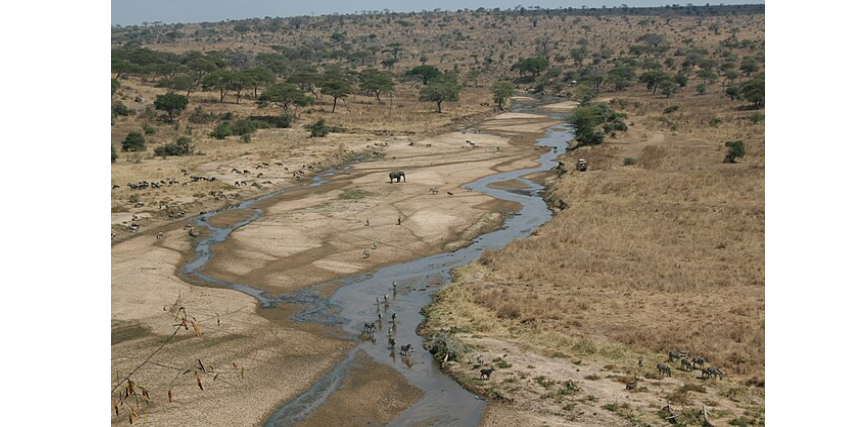
A Tanzanian gem, known for its iconic baobab trees and vast elephant herds. This wildlife haven offers stunning landscapes, diverse flora, and a unique safari experience, making it a must-visit destination for nature enthusiasts.
Tarangire National Park, situated in the northern part of Tanzania, is a testament to the country’s diverse and awe-inspiring natural beauty. Spanning approximately 2,850 square kilometers, the park is named after the Tarangire River, a vital water source that threads its way through the landscape, shaping the ecosystem and supporting a remarkable array of wildlife.
History: Established in 1970, Tarangire National Park has a relatively recent history compared to some of Tanzania’s other conservation areas. The park was created to protect the region’s unique ecosystem, especially during the dry season when the Tarangire River becomes a lifeline for countless animals. Over the years, it has become a key component of the northern safari circuit, attracting visitors with its distinct features and biodiversity.
General Information:
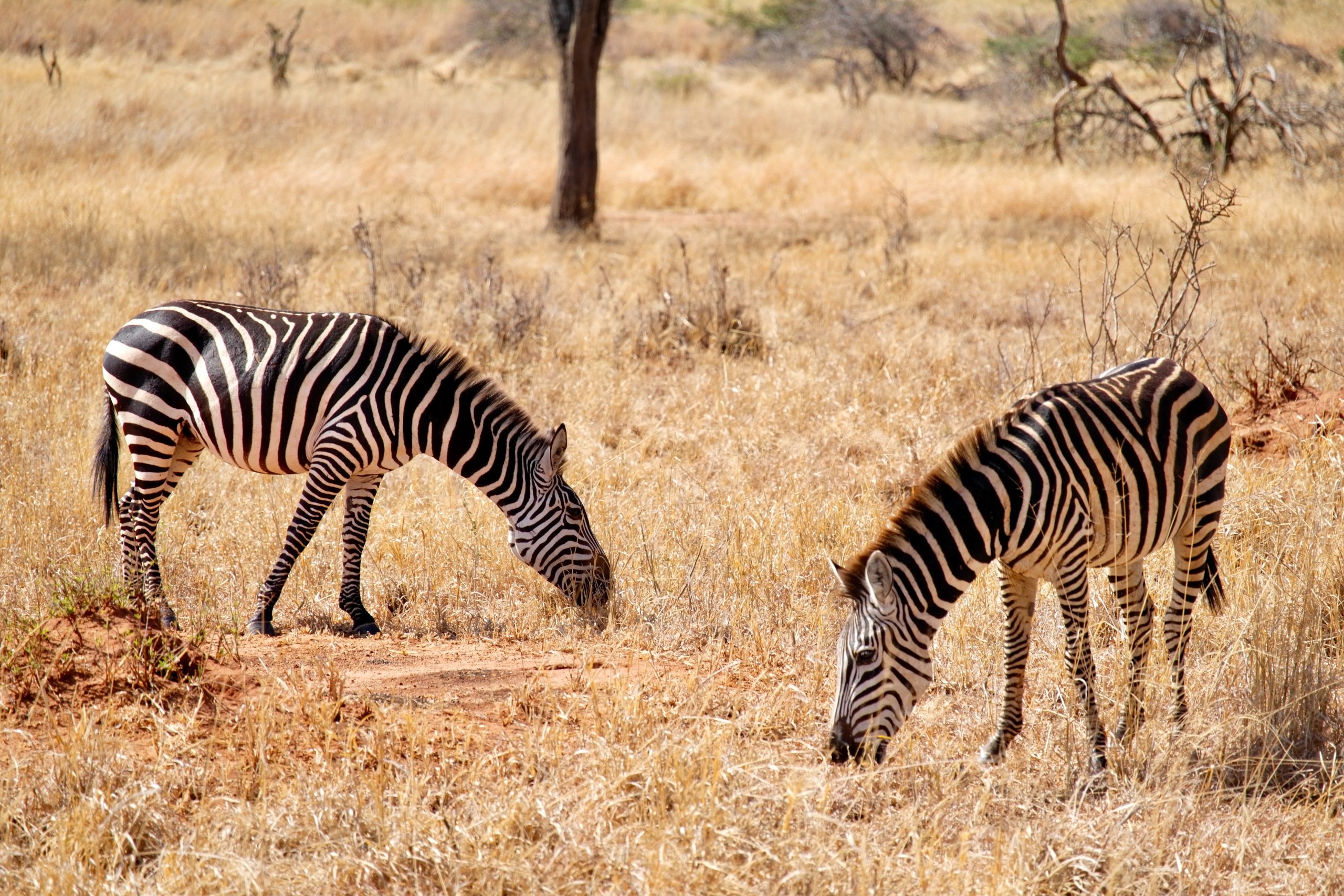
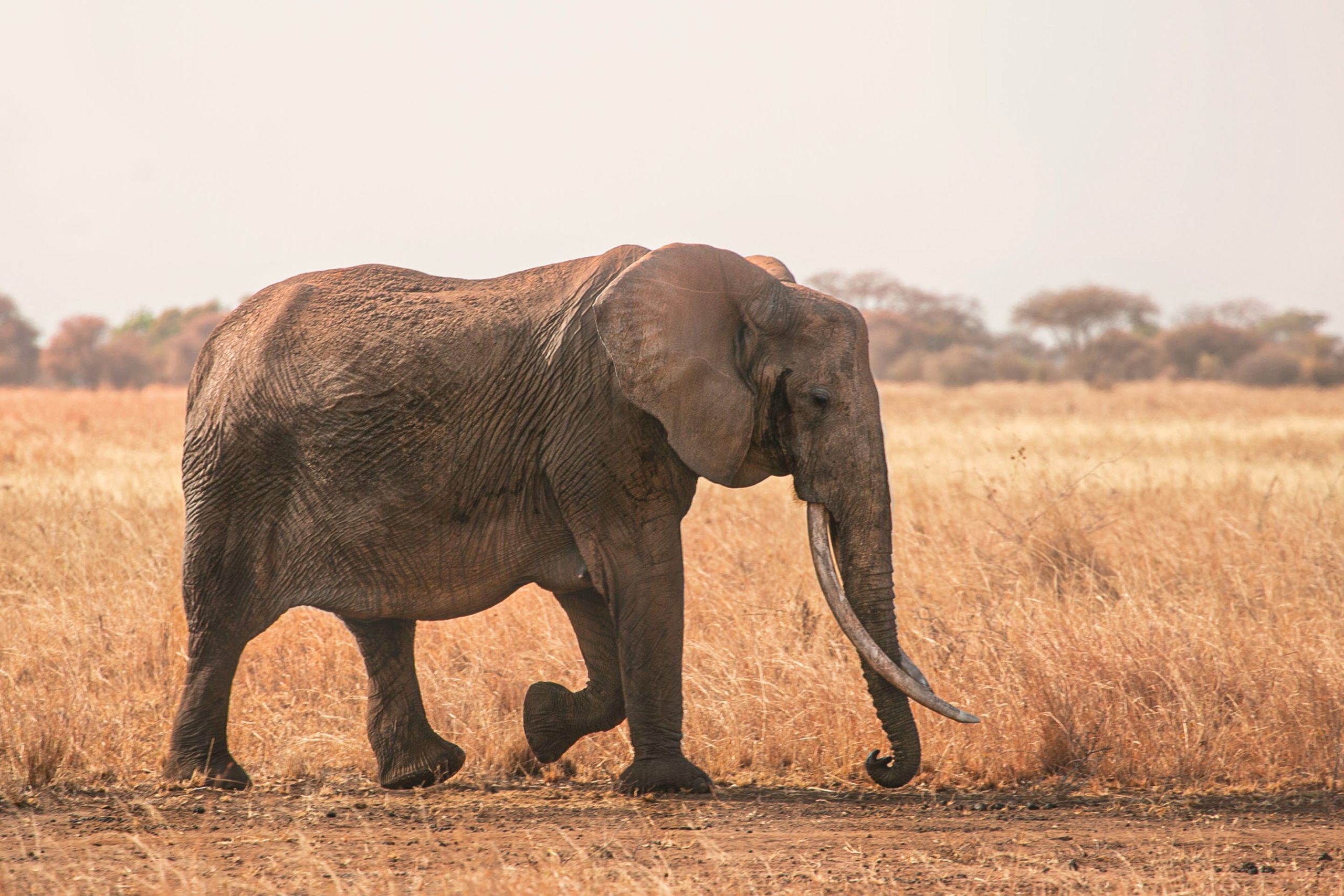
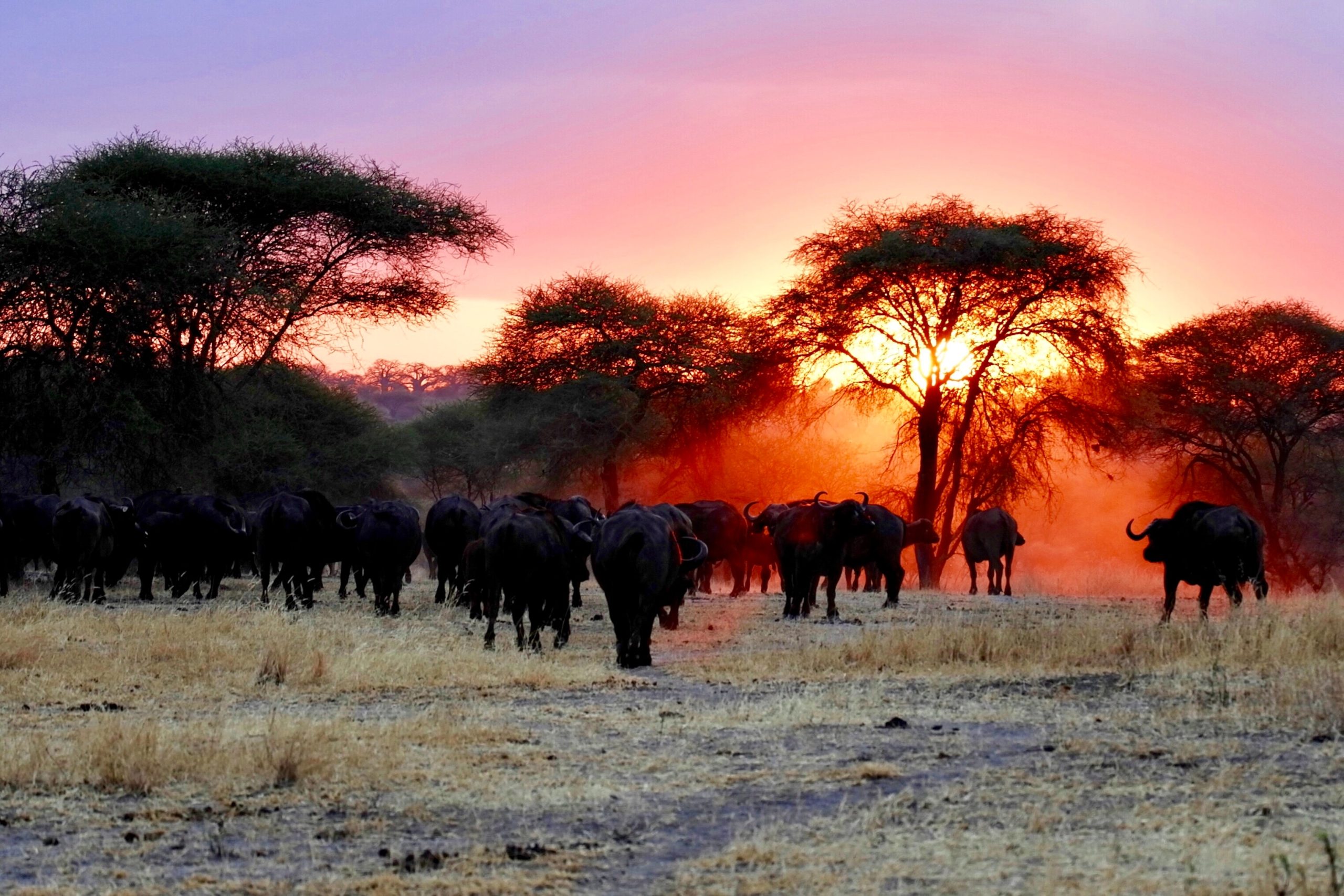
Wildlife: Tarangire is renowned for its large population of elephants, making it one of the best places in East Africa to observe these gentle giants. The park is also home to a variety of other wildlife, including lions, leopards, cheetahs, zebras, giraffes, buffaloes, and an abundance of bird species.
Landscape: The park’s landscape is diverse, ranging from grassy savannas to dense woodlands and the iconic baobab trees that punctuate the horizon. The Tarangire River, winding through the park, is a focal point, attracting wildlife and providing a picturesque backdrop for safaris.
Activities:
- Game Drives: Tarangire offers exceptional game-viewing opportunities. Game drives, led by experienced guides, allow visitors to witness the park’s rich biodiversity, from the massive herds of elephants to elusive big cats and a myriad of birdlife.
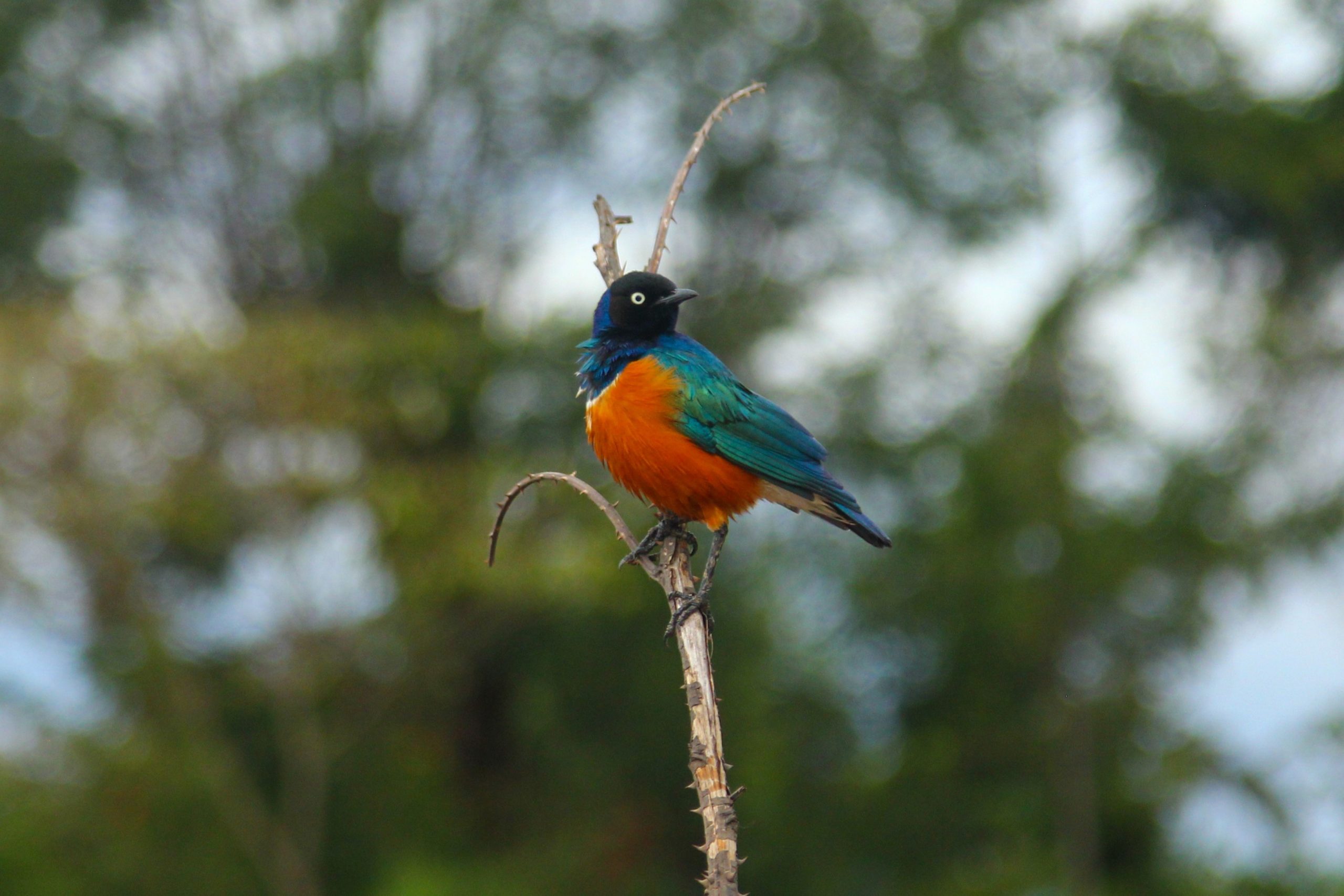
- Bird Watching: With over 500 bird species, Tarangire is a paradise for bird enthusiasts. Birdwatching excursions reveal a vibrant avian population, including the striking yellow-collared lovebirds and numerous raptors.
Scenic Views: The landscape of Tarangire is adorned with ancient baobab trees, creating a surreal and enchanting atmosphere. The iconic silhouette of these trees against the backdrop of the African sky is a photographer’s dream, especially during the golden hours of sunrise and sunset.
Conservation Efforts: Tarangire National Park actively engages in conservation efforts, including community-based initiatives that aim to balance wildlife protection with the needs and involvement of local communities. These efforts contribute to the park’s sustainability and the preservation of its unique ecosystem.
Climate:
- Dry Season: The best time to visit Tarangire is during the dry season (June to October), when wildlife congregates around the Tarangire River, providing optimal viewing conditions
Accessibility:
- Proximity to Arusha: Tarangire is easily accessible from Arusha, making it a convenient stop for those exploring the northern safari circuit.
- Tarangire National Park stands as a testament to the delicate balance of nature, where the ebb and flow of life are intricately connected to the Tarangire River. Beyond its wildlife spectacle, the park offers a sensory journey through landscapes adorned with ancient giants and a thriving ecosystem, making it a must-visit destination for nature lovers and safari enthusiasts alike.