
NGORONGORO CONSERVATION AREA
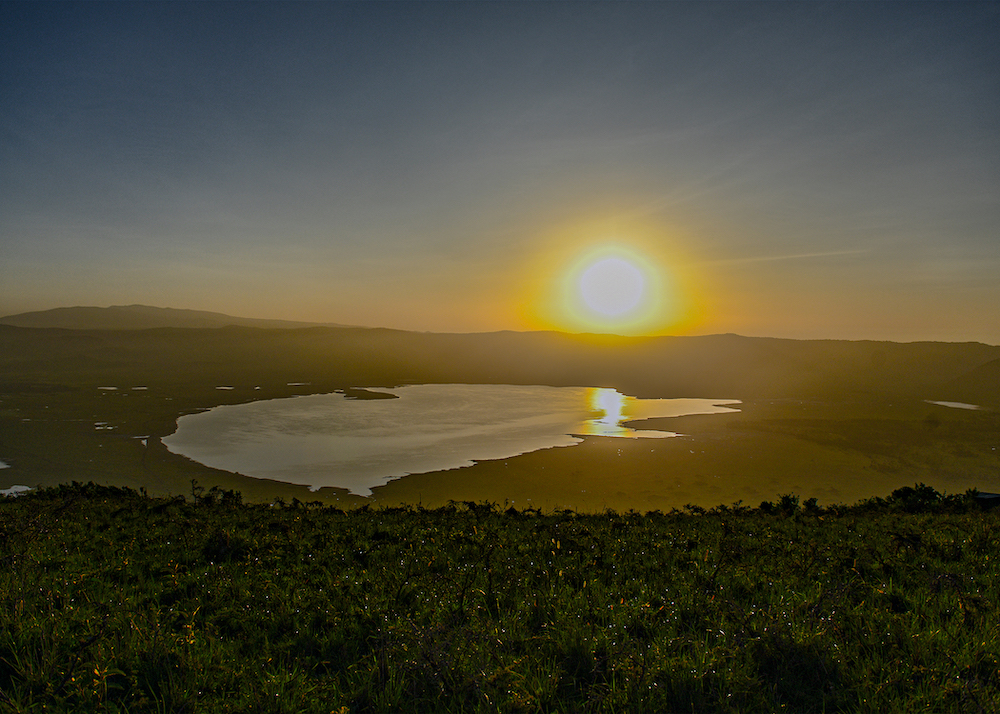
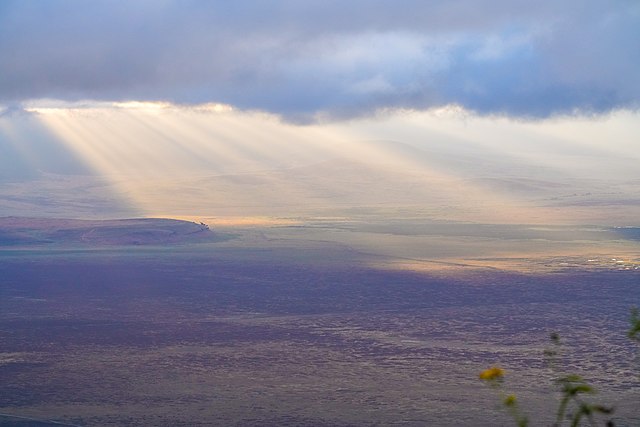
A UNESCO World Heritage Site in Tanzania, this natural wonder cradles the breathtaking Ngorongoro Crater, a haven for diverse wildlife. The crater’s unique ecosystem and the surrounding highlands provide a stunning backdrop for unforgettable safaris, making it a must-visit destination on the Northern Circuit.
A Natural Marvel of Tanzania
History: The Ngorongoro Conservation Area, often referred to as the “Eighth Wonder of the World,” boasts a rich history dating back millions of years. Formed by the collapse of a massive volcano, the Ngorongoro Crater and its surrounding highlands have been home to human populations, wildlife, and diverse ecosystems for centuries. In 1959, recognizing its ecological significance, the Tanzanian government established the Ngorongoro Conservation Area to preserve this unique and fragile environment.
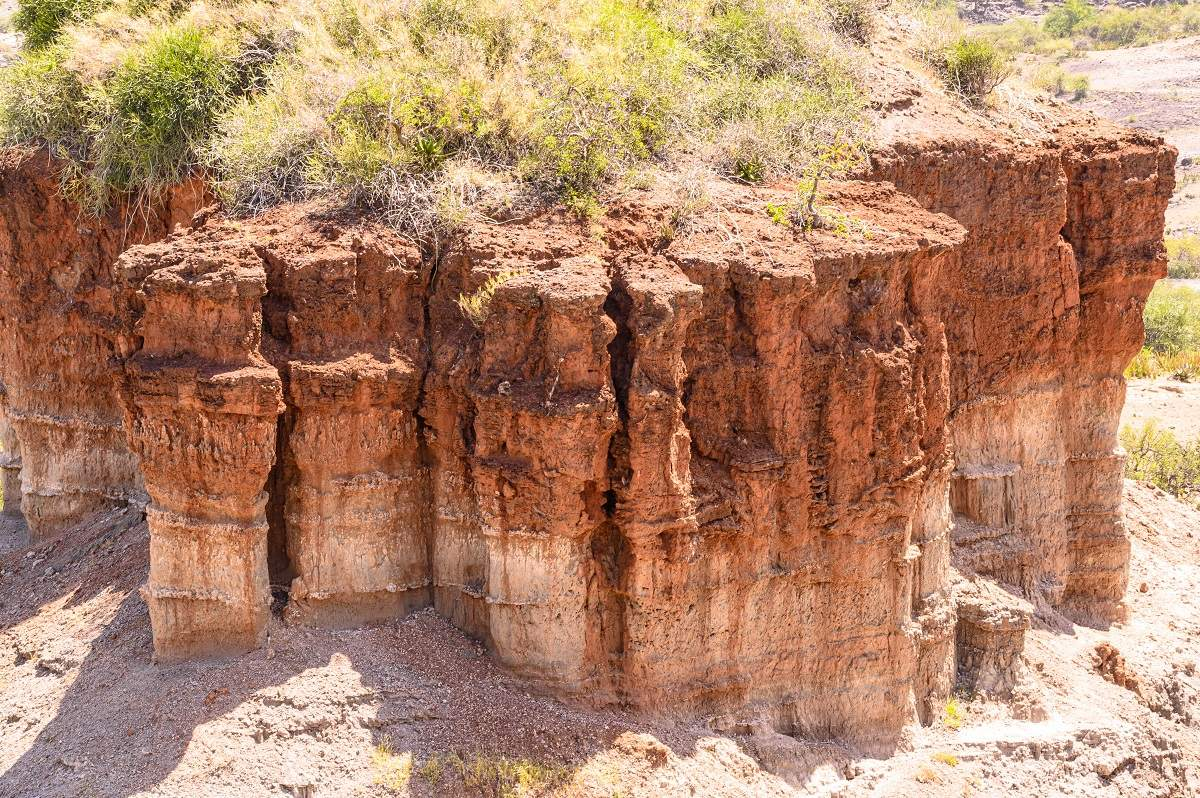
General Information: Encompassing over 8,000 square kilometers, the Ngorongoro Conservation Area is a UNESCO World Heritage Site and a crucial component of the northern safari circuit. The crown jewel, the Ngorongoro Crater, is the world’s largest intact caldera and a natural amphitheater teeming with wildlife. The conservation area includes not only the crater but also vast plains, forests, and the Olduvai Gorge, a site of immense paleontological importance.
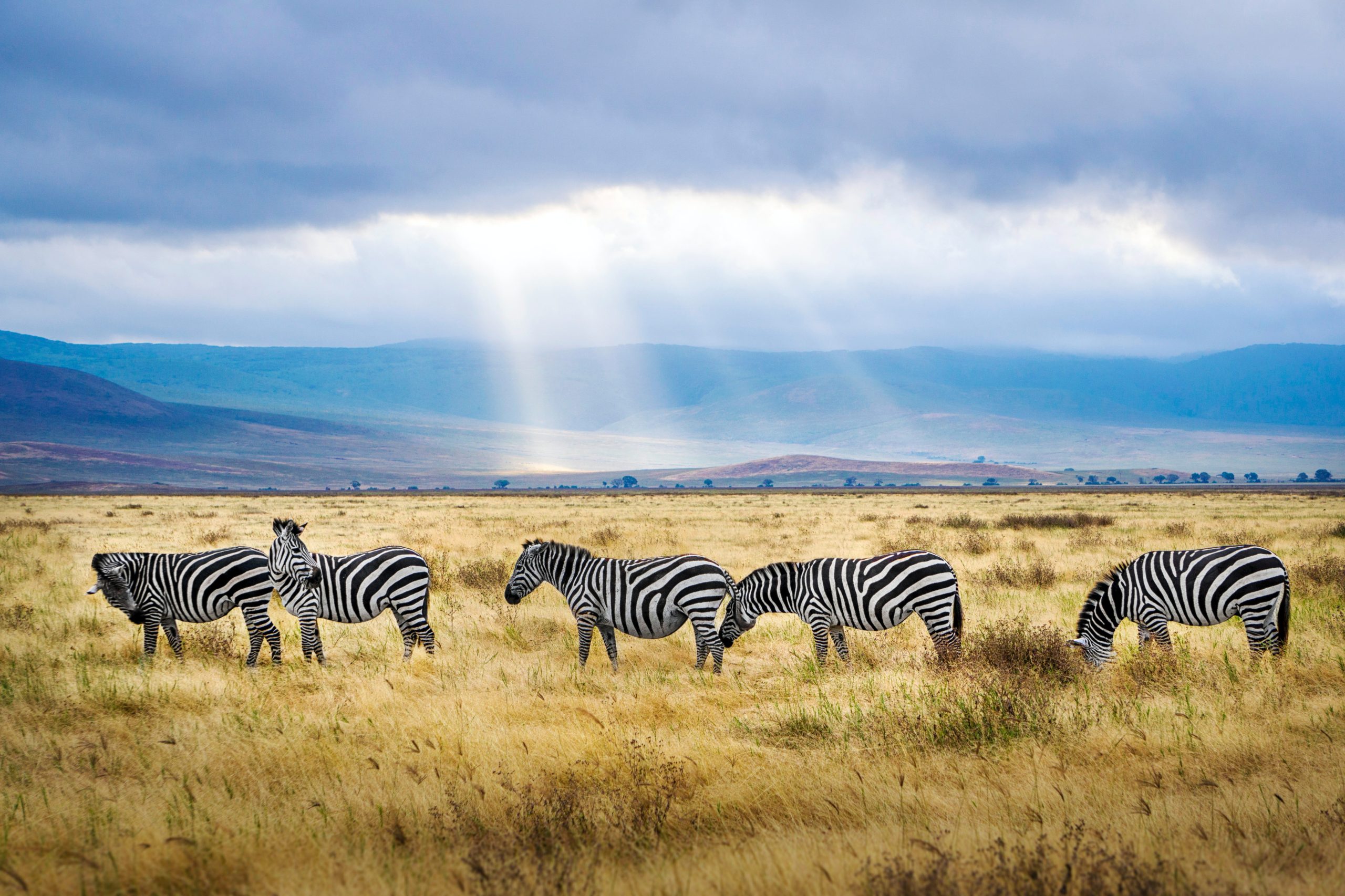
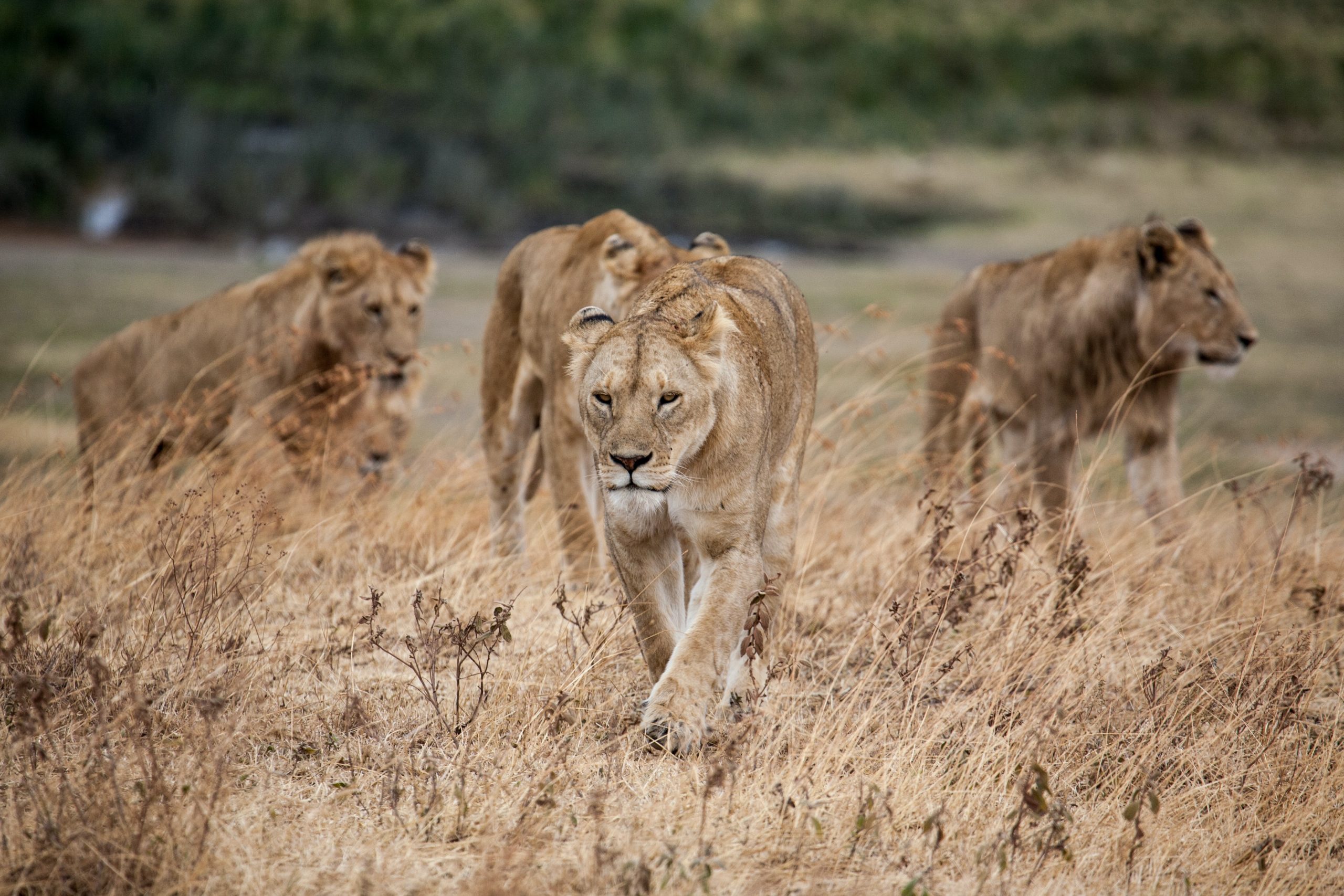
Wildlife and Ecosystems: The Ngorongoro Crater, with its varied habitats, supports an incredible array of wildlife. From the iconic Big Five—lions, elephants, buffaloes, leopards, and rhinoceros—to wildebeests, zebras, and an abundance of bird species, the crater is a biodiversity hotspot. The surrounding highlands offer a different landscape, dotted with Maasai villages, lush forests, and open grasslands.
Activities:
Safari Adventures: Ngorongoro is synonymous with exceptional safari experiences. Game drives within the crater present an unrivaled opportunity to witness the density and diversity of wildlife, all set against the stunning backdrop of the crater walls.
Cultural Encounters: Engage with the Maasai communities that inhabit the conservation area. Cultural visits offer a glimpse into traditional Maasai life, their customs, and the harmonious coexistence between humans and wildlife.
Olduvai Gorge Exploration: Delve into the paleontological treasures of Olduvai Gorge, where fossil discoveries have provided invaluable insights into human evolution. Museums and guided tours offer a fascinating journey through prehistoric times.
Hiking and Nature Walks: Explore the highlands on foot with guided hikes, providing breathtaking views of the crater and opportunities to appreciate the smaller wonders of the ecosystem.
Photography: Ngorongoro is a photographer’s paradise. Capture the golden hues of sunrise over the crater, the dramatic silhouettes of wildlife against the crater walls, and the vibrant landscapes that change with the seasons.
Conservation and Sustainability: Ngorongoro Conservation Area prioritizes conservation and sustainable tourism. Efforts include community involvement, wildlife protection measures, and educational initiatives to ensure the delicate balance between human activities and the preservation of this natural wonder.
Accessibility: Ngorongoro is easily accessible from Arusha, making it a central point for those exploring Tanzania’s northern safari circuit. Whether as a standalone destination or part of a larger safari itinerary, Ngorongoro promises a captivating journey into the heart of Africa’s wildlife and natural history.