
LAKE MANYARA NATIONAL PARK
Lake Manyara National Park, a Tanzanian gem nestled between the Great Rift Valley and the Manyara Escarpment, boasts diverse landscapes from woodlands to an alkaline lake. A haven for birdwatchers, it features tree-climbing lions, elephants, and abundant wildlife, providing a unique safari experience in a compact setting.
A Sanctuary of Biodiversity and Scenic Beauty
History: Established in 1960, Lake Manyara National Park is a testament to Tanzania’s commitment to preserving its natural wonders. Nestled between the dramatic Great Rift Valley and the Manyara Escarpment, this park has evolved into a haven for wildlife enthusiasts, offering a unique blend of diverse ecosystems and breathtaking landscapes.
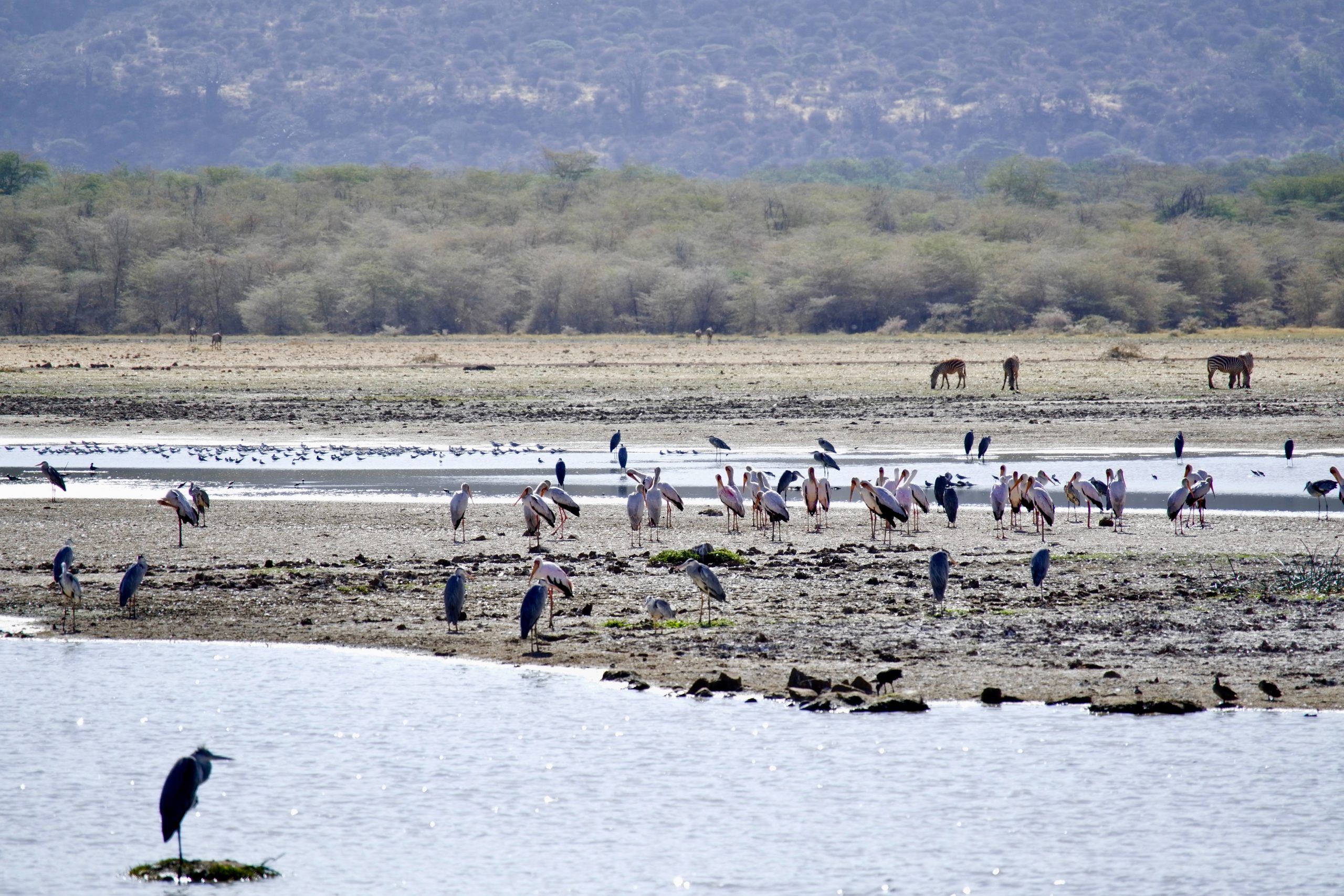
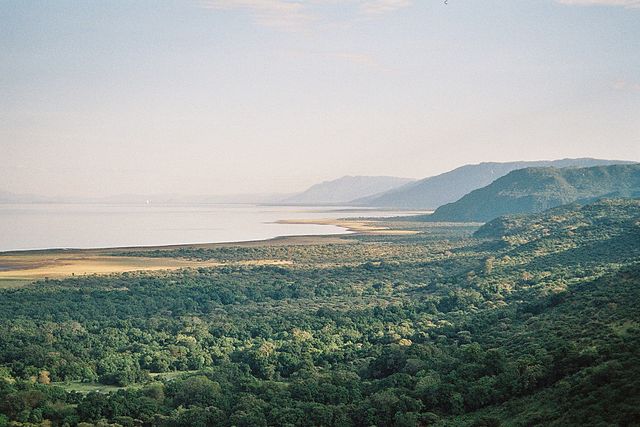
General Information: Spanning approximately 330 square kilometers, Lake Manyara National Park is renowned for its striking contrasts. The centerpiece, Lake Manyara, dominates the park’s scenery. The alkaline lake, with its fluctuating water levels, attracts a myriad of birdlife, including flamingos, pelicans, and a variety of waterfowl. The park is also known for its lush groundwater forest, open savannas, and the impressive Manyara Escarpment that provides a stunning backdrop.
Wildlife: While smaller in size compared to some of Tanzania’s other parks, Lake Manyara is home to a remarkable diversity of wildlife. The park is particularly famous for its tree-climbing lions, a unique behavior rarely observed in other locations. These lions are often spotted lounging on the branches of acacia trees, providing a surreal and iconic sight for visitors. Beyond lions, the park hosts elephants, giraffes, hippos, impalas, and an abundance of baboons.
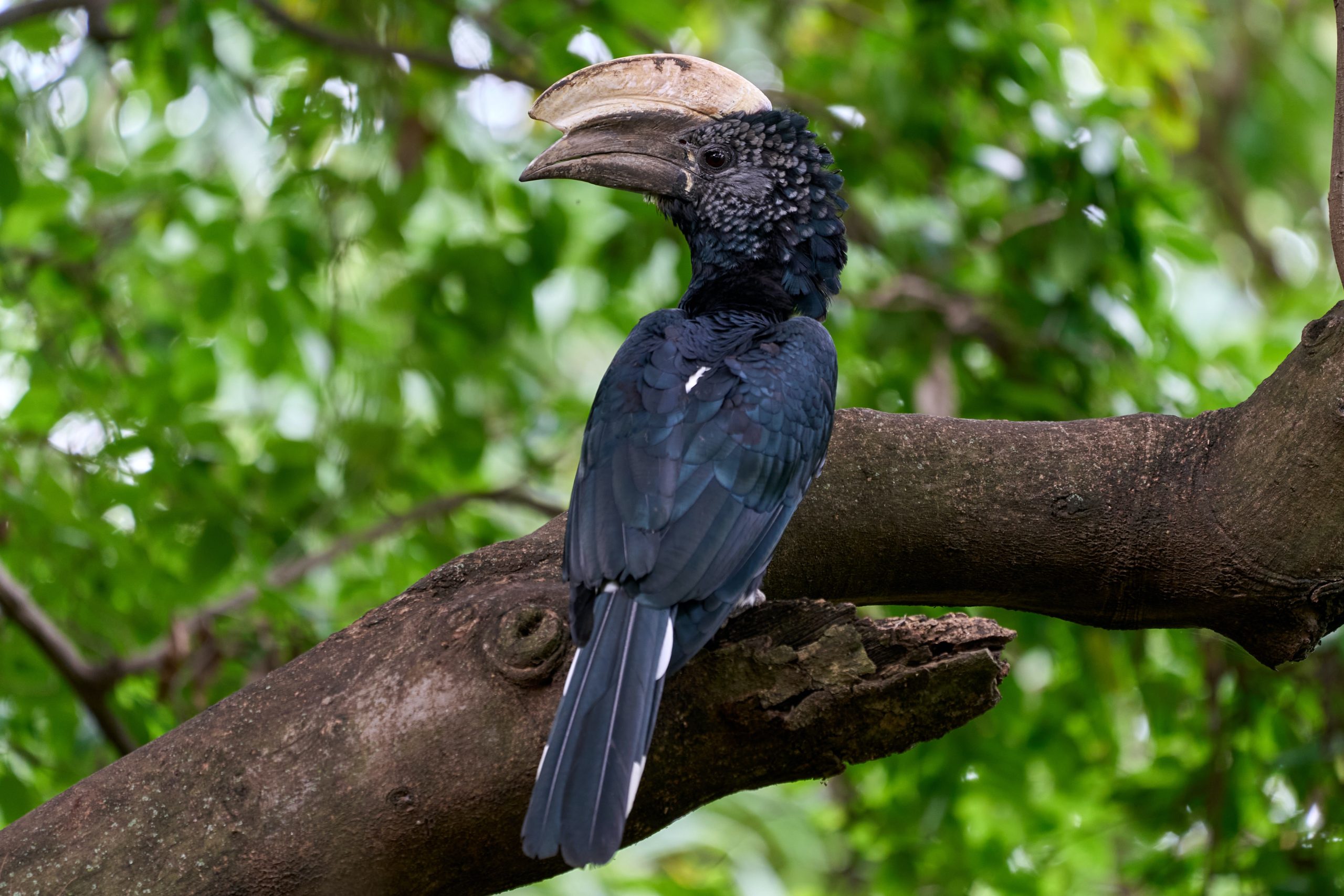
Birdlife: Lake Manyara is a birdwatcher’s paradise, with over 400 bird species recorded. The lake’s fluctuating water levels create a dynamic environment, attracting a variety of waterfowl, including pink-hued flamingos and regal pelicans. The groundwater forest is a haven for forest-dwelling birds, making it an excellent destination for avid birdwatchers.
Activities:
Game Drives: Explore the diverse landscapes of Lake Manyara on game drives, led by knowledgeable guides. The park’s compact size allows for an intimate safari experience, providing ample opportunities to spot wildlife, including the elusive tree-climbing lions.
Canoeing: Certain sections of the park offer canoeing experiences on the serene waters of Lake Manyara. This unique activity provides a different perspective, allowing visitors to witness the park’s beauty from the water while observing the diverse birdlife.
Cultural Encounters: Nearby, the Mto wa Mbu village offers cultural excursions, providing a glimpse into the local way of life. Visitors can engage with the community, explore vibrant markets, and appreciate the rich cultural diversity of the region.
Conservation Efforts: Lake Manyara National Park actively engages in conservation initiatives to protect its unique ecosystems. Efforts include community involvement and sustainable tourism practices, ensuring the park’s continued preservation for future generations.
Accessibility: The park is conveniently located between Arusha and the Ngorongoro Conservation Area, making it easily accessible for those exploring the northern safari circuit.
In essence, Lake Manyara National Park is a microcosm of Tanzania’s natural wonders. From the captivating wildlife and tree-climbing lions to the serene lake and vibrant birdlife, it offers a compact yet enriching safari experience, making it a must-visit destination for those seeking the beauty and biodiversity of East Africa.